Categories
Prayers

Lebanon Prayer: Special Tribunal

God,

Fifteen years, waiting for justice.

A verdict: One guilty, three acquitted. No conclusion on the powers behind them.

Who assassinated the former prime minister? He did. But who else? Investigations proved a wide conspiracy.

And he is not talking. He is not even here. A Shiite party shields him from trial.

A Shiite party called it politicized, and would ignore the outcome.

A Shiite party—with Syria—were the powers of ‘no conclusion’.

So is it concluded? A Sunni party of the murdered prime minister vowed not to rest until the guilty are punished. Finally, there is a guilty.

They called on the Shiite party to make unspecified ‘sacrifices’.

Many in Lebanon have moved on, God. There have been numerous tragedies since then.

But what hope does the verdict in the last big explosion, give to this one?

Many are resigned. Many are leaving. Many say, ‘This is Lebanon’.

But is this time different? America says no aid until reform. Is it right to starve into solution?

Or is this time the same? Certain parties scuffled in political disputes. Is it right to scare into submission?

Fifteen years is a long time.

Thirty years since the civil war.

One hundred since existence.

What do you wish to summon from the Lebanese? Hope is hard to conjure.

Resolve? Fight? Wrath?

Is lament too passive? Is contrition too hard?

God, can you invite blessing? So many cannot even contemplate.

But so many are not needed. Let two or three agree.

Then loosen.

Shake free their chains, for three or four.

Let four or five plead on behalf of the nation.

Then five or six can pour out grace on them all.

Maybe six or seven can be healed.

Perhaps seven or eight can heal someone else.

Eight or nine could confront injustice.

Nine or ten could sweep the streets.

Ten or eleven might make a difference.

Eleven—or twelve—can change the world.

Even if one betrays. Even if one denies.

There are those who betray Lebanon, God. They choose their selfish interests. Restore them in repentance.

There are those who deny Lebanon, God. They trust only their own sect. Remove their fear, and reconcile.

Their numbers are many.

Let the few, bless.

And then multiply blessing, to draw many more.

God, twelve can be a tribunal. Lebanon is in the dock.

It is guilty, of course. All are, every nation. Evidence is overwhelming.

But your trial is not political. It is merciful.

Let these twelve proclaim your forgiveness.

Then God, loose in heaven.

Lebanon is a paradise of your creation. Let the people live it so.

Amen.


Lebanon Prayer places before God the major events of the previous week, asking his favor for the nation living through them.

It seeks for values common to all, however differently some might apply them. It honors all who strive on her behalf, however suspect some may find them.

It offers no solutions, but desires peace, justice, and reconciliation. It favors no party, but seeks transparency, consensus, and national sovereignty.

How God sorts these out is his business. Consider joining in prayer that God will bless the people and establish his principles, from which all our approximations derive.

Categories
Christianity Today Middle East Published Articles

A Beacon of Hope in a Broken Beirut

Image: P. Clarkson

Sitting at his desk in the second-floor office adjacent to the historic National Evangelical Church of Beirut, Habib Badr calmly filled out the wedding registry. It was a ritual the almost 70-year-old had performed countless times over the course of his 35-year ministry.

The next day, there would be a funeral. A stalwart member of his congregation, the former head of reconstructive surgery at the American University of Beirut hospital during the years of civil war, had passed away of natural causes.

It seemed there were more funerals than weddings these days, Badr thought. But the nostalgic church would always draw young people ready to exchange their vows, even from the scattered Lebanese diaspora, in imitation of their parents a generation before.

There was something special about the lighting. On a clear day, parishioners could see the distant snow-covered peak of Mt. Sannine, towering over the capital below. Three years ago, the church replaced its eight ordinary windows. Bracketing the sanctuary pews with translucent glass depicting the three crosses of Calvary above colored stones, they aimed to remind worshipers of the ever-present Rock of Ages, upon whom the church is built.

Lebanese evangelicals don’t prefer stained glass windows with human imagery, Badr said. This serves to distinguish them from original Catholic and Orthodox heritages.

“To the missionaries, we say, ‘Go home,’” a Lebanese Greek Orthodox bishop had publicly proclaimed a generation earlier. “And to the Protestants we say, ‘Come back home.’”

But for Badr and his congregants, they were already home. The National Evangelical Church, the oldest Arabic-speaking Protestant congregation in the Middle East, was formed in 1848. Badr’s grandfather Yusuf was the first native pastor, installed in 1890.

And as if to emphasize, the circular window high above the pulpit—installed in 1998—pictured a cross above Mt. Sannine, with an image of the church in the foothills below. Originally constructed in 1869, the architecture was a blend of Scottish and Lebanese styles.

Every Sunday, the symbolism would resonate: A Reformed church, nestled like any other Lebanese home into the rugged mountainous terrain.

Badr’s wedding thoughts were abruptly shaken by a small tremor. Small earthquakes periodically rattle the small Mediterranean nation two-thirds the size of Connecticut, so the pastor stood and prepared to momentarily take refuge underneath his office doorframe. It was not a moment too soon…

This article was originally published at Christianity Today, on August 20, 2020. Please click here to read the full text.

Categories
Prayers

Lebanon Prayer: State of Emergency

God,

The nations encircle. The government falls. The army entrenches. The investigation begins.

Beirut still smolders.

There is great need for leaders, and Lebanon has many. Bless and guide them all.

The Christian president will not cede sovereignty, to allow outsiders assigning blame for the blast.

The Shiite speaker of parliament increases military jurisdiction, to quiet the streets.

The Sunni prime minister resigns his post, to protest corruption preventing reform.

But each sect has alternatives.

A Christian in opposition calls for early elections.

A Shiite in support accuses some of stoking civil war.

A Sunni in waiting backs an international probe.

There is another probe pending. A UN tribunal will soon give verdict on who killed his father.

While fallout continues over international peace. Two regional powers normalize ties.

God, the lines are sharpening. Too many crisscross the cedars.

Let truth be made known, whoever pronounces it.

Let order prevail, in each disciplined heart.

Let protest find outlet, till transparency comes.

God, shield the nation from foreign agendas. Welcome the aid, with all expertise.

But let every decision come from consensus. Let every decision conform with your will.

Hold accountable the guilty. Marginalize the manipulative. Redeem all repentant long given to cheat.

Lift up the nation through prayer and humility. Bring forth her leaders to do what is right.

At every level of leadership, God, give clarity. Give courage. Give conviction.

Give compassion.

Lebanon is truly a state of emergency.

Be its healer. Be its rescue.

Be its God.

Amen.


Lebanon Prayer places before God the major events of the previous week, asking his favor for the nation living through them.

It seeks for values common to all, however differently some might apply them. It honors all who strive on her behalf, however suspect some may find them.

It offers no solutions, but desires peace, justice, and reconciliation. It favors no party, but seeks transparency, consensus, and national sovereignty.

How God sorts these out is his business. Consider joining in prayer that God will bless the people and establish his principles, from which all our approximations derive.

Categories
Prayers

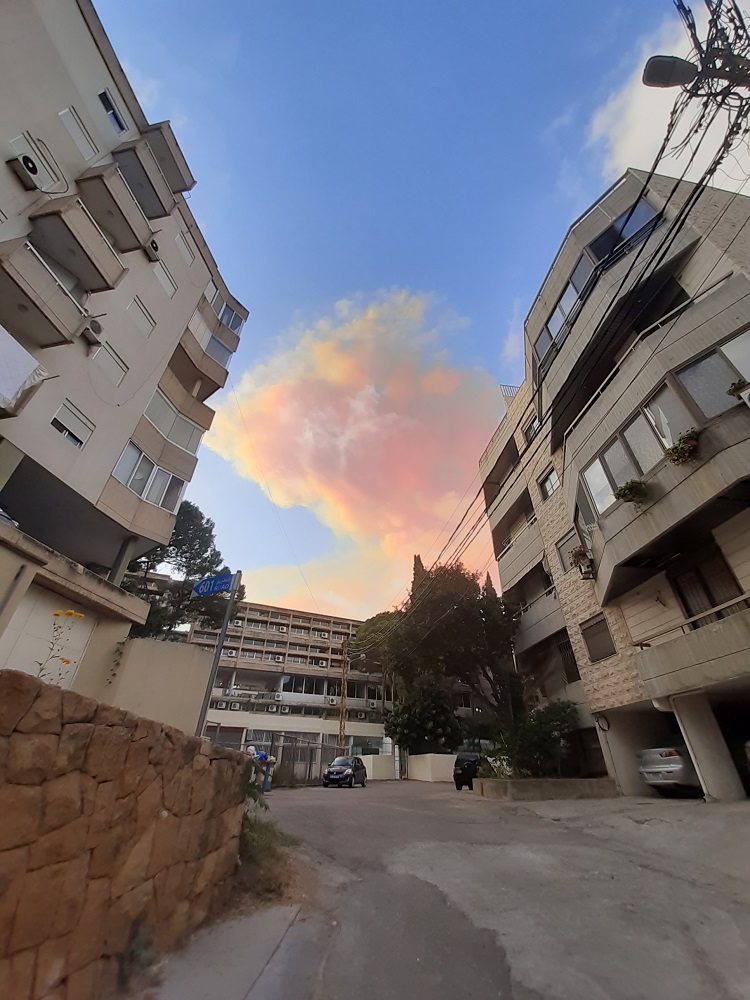
Lebanon Prayer: Three Explosions

God,

The city is reeling. And with it the system?

Whether from negligence or sabotage, hundreds of thousands are hurting.

You are a God of truth. If the reasons behind the massive explosion are not yet known, reveal them.

You are a God of justice. If the people behind the terrible suffering are not yet identified, expose them.

But you have not been idle.

You are a God of compassion. Beirut is healing through an explosion of kindness.

You are a God of righteousness. Beirut is heaving in an explosion of anger.

To what end?

For neither has evil been idle.

Dozens are dead. Thousands are injured.

A spirit of paralysis grips too many. A spirit of division seeds mistrust. A spirit of destruction animates several. A spirit of accusation seeks protection from fault.

Manipulation. Self-interest. Revenge. Hatred. Greed. Fear. Sin.

Me.

Everyone is guilty, God. All can be redeemed.

Some are more guilty than others. Bring forth the men who will lead with repentance. Promote women of principle who honor their charge.

But beyond individuals, there is something that binds them.

Is it the system? Must Lebanon sideline its sects, or are they its strength?

You are a God of order. Keep the nation from chaos and guide to consensus.

You are a God of freedom. Inspire authority to let loose inspiration; create an environment that honors its gifts.

Let there be a fourth explosion, God.

An explosion of blessing—of hope and of life.

And then, let it settle in quiet humility.

Bandage Lebanon’s wounds.

Build up its strength.

Sweep up its glass.

Imagine the message if all come together.

Amen.


Lebanon Prayer places before God the major events of the previous week, asking his favor for the nation living through them.

It seeks for values common to all, however differently some might apply them. It honors all who strive on her behalf, however suspect some may find them.

It offers no solutions, but desires peace, justice, and reconciliation. It favors no party, but seeks transparency, consensus, and national sovereignty.

How God sorts these out is his business. Consider joining in prayer that God will bless the people and establish his principles, from which all our approximations derive.
Categories
Christianity Today Middle East Published Articles

How I Explained Beirut’s Explosion to My Kids

Credit: Julie Casper

Our family was sitting down to dinner when the walls rumbled.

Assuming it was just an unusual surge of electricity preceding one of Lebanon’s frequent power outages, we readied to say our prayers.

And then came the boom, and the whole house shook.

“An earthquake?” I wondered, as we rushed our four children, ages 7 to 13, outside to presumed safety. But there we found neighbors, anxiously skimming through Twitter on their balconies, shouting out the news.

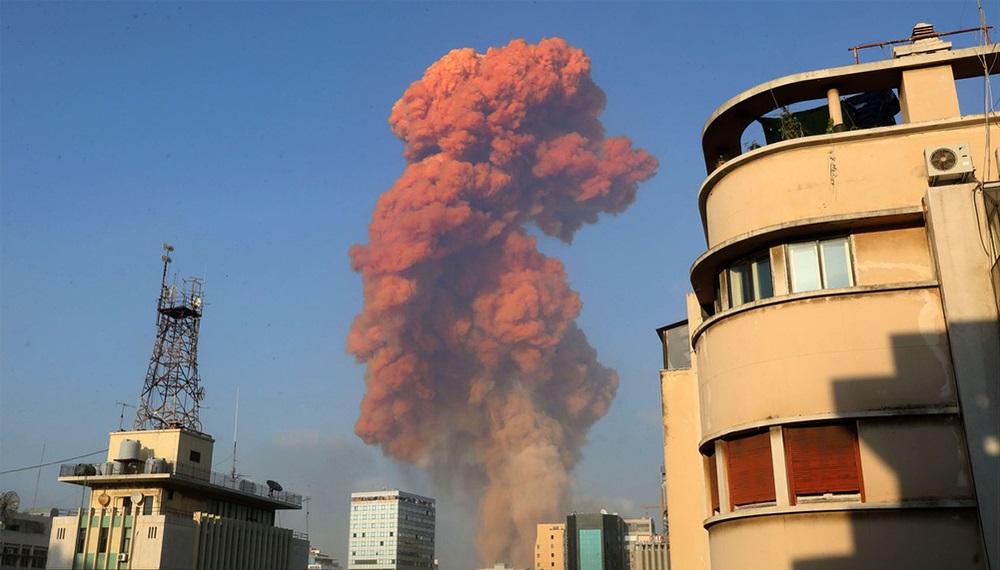
Beirut had just suffered one of the largest non-nuclear explosions in human history.

My nerves for my family’s security settled when I learned it was not an earthquake. But then the political nerves took over.

Was it an assassination? An Israeli strike?

Reporting for Christianity Today from Cairo during the Arab Spring, our family had become somewhat accustomed to instability. But that was my realm: attending demonstrations, visiting attacked churches. Yet there was always a sense that life carried on, like the ever-calm waters flowing in the nearby Nile River, where we would often board a felucca boat and float in peace.

Our year in Lebanon has been much different. Within two weeks of our arrival…

This article was originally published at Christianity Today, on August 7, 2020. Please click here to read the full text.

Categories
Christianity Today Middle East Published Articles

Lebanon Was Already in Turmoil. Then Came the Blast.

Joseph Kassab

The massive explosion that rocked Beirut on Monday evening has left dozens dead, hundreds injured, and more than 300,000 displaced from their homes.

Millions around the world watched in horror as the detonation of 2,750 tons of confiscated ammonium nitrate laid waste to the Mediterranean port and surrounding neighborhoods. The equivalent of a 3.3-magnitude earthquake was felt deep into the coastal mountains of Lebanon and as far away as Cyprus.

The images of destruction reminded many of the small Middle Eastern nation’s 15-year civil war that lasted from 1975 to 1990.

Christianity Today spoke with Joseph Kassab, president of the Supreme Council of the Evangelical Community in Syria and Lebanon. Based in Beirut but born in Aleppo, Syria, Kassab reflected on the damage suffered in Christian neighborhoods, early efforts to assist the suffering, and hope for what this tragedy might produce in the Lebanese church.

These are very difficult days in Lebanon. What happened, and how bad is it?

It is very bad. I’ve been in Lebanon since 1984, experiencing the civil war. This is the first time that one single explosion caused such damage. People were terrified.

Until now, there is no agreement on the explanation, with many speaking according to their political point of view. Some say it was an electrical problem. Some say it was arson. Others assure that they heard jet fighters. We have to wait, hoping that the coming days will provide an answer.

This explosion destroyed so much of Beirut, across sectarian lines. What is the impact on the Christian community? The areas nearest the port in East Beirut are primarily Christian neighborhoods, and generally…

This article was originally published by Christianity Today, on August 5, 2020. Please click here to read the full text.

Categories
Christian Century Middle East Published Articles

16 Beirut Ministries Respond to Lebanon Explosion

(Photo by ANWAR AMRO/AFP via Getty Images)

One hour later at work, and Sarah Chetti might have been one of thousands in a Beirut hospital.

Director of the INSAAF migrant worker ministry in Lebanon, Chetti’s colleagues described shards of broken glass flying through the air, and the metal frames of doors ripped from their hinges.

It was a similar experience for the one staff member inside the Youth for Christ youth center not far from the blast. To avoid the “colossal damage,” he ducked to the floor. Re-welding was necessary just to lock up the next day.

Peter Ford was fortunate. Working quietly in his faculty office at the Near East School of Theology near downtown Beirut, the first small reverberations stirred his curiosity to investigate the problem.

Moments later, the huge blast blew in his window and spewed the glass across his desk.

Miraculously, the dozen evangelical churches and ministries in Lebanon contacted by CT reported no deaths and few serious injuries caused by the massive explosion. The official national tally is now over 100 dead, with over 5,000 injured.

If they had, there would be nowhere for the bodies to go.

Habib Badr of the historic National Evangelical Church was forced to conduct the burial of two elderly members (whose deaths were unrelated to the explosion) as Beirut’s hospitals and morgues were all full.

Two Filipinos, however, were killed in the blast. And amid the ongoing economic suffering of Lebanon, several migrant domestic workers have been abandoned by families no longer able to pay for their services.

“They are distraught, worried, and scared,” said Chetti. “Problems are piling up one after the other. I’m reaching out to each one individually and praying for them, assuring them things will be okay.”

But migrants are not the only foreigners who are suffering.

“Many of our youth are Syrian refugees, so this is churning up all that stuff for them,” said Scot Keranen, director of operations for Youth for Christ. “We’re just checking in on them, and that is really tough right now.” Lebanese trauma goes further back in history. But this explosion was…

This article was originally published at Christianity Today, on August 5, 2020. Please click here to read the full text.

Categories
Prayers

Lebanon Prayer: Jocelyne Khoueiry

God,

May she rest in peace.

May her nation simply rest.

Compelled by civil war, the young woman took up arms to defend her people.

She later laid them down, as religion moved from identity to faith.

God, does Lebanon need the same?

Can faith demand arms? Is identity for sect or nation?

Which do you desire first?

The Maronite patriarch continued his call for neutrality. The Shiite mufti called it impossible.

Their evidence is the same: Lebanon is surrounded by regional trouble.

Trouble that again spilled over the border.

Claiming infiltration by a Shiite militia, Israel exchanged fire and launched cross-border shells.

The militia denied anything happened at all.

But it will. Their dead fighter in Syria demands retribution.

And if it comes, Israel pledges destruction of infrastructure. The price will be high.

Who benefits? Who wins? Does faith demand arms? Does fidelity to nation?

Does neutrality?

God, guide Lebanon in the necessary discussion.

Calm the region, with justice and peace.

Restore the economy, for fuel and food.

Reform the government, in all transparency.

Convict the heart, to make amends.

The courage of Khoueiry transformed to conviction. Her earlier certainty shifted to service.

Even as killing continued.

Honor her, God, both former and latter. Honor her enemies, who risked life for their cause.

And today honor all, as they repeat the cycle.

Until one day all swords become plowshares. And all men in fullness give honor to you.

May she rest in peace. May she inspire the same.

Amen.


Lebanon Prayer places before God the major events of the previous week, asking his favor for the nation living through them.

It seeks for values common to all, however differently some might apply them. It honors all who strive on her behalf, however suspect some may find them.

It offers no solutions, but desires peace, justice, and reconciliation. It favors no party, but seeks transparency, consensus, and national sovereignty.

How God sorts these out is his business. Consider joining in prayer that God will bless the people and establish his principles, from which all our approximations derive.
Categories
Prayers

Lebanon Prayer: Rising Tensions

God,

Lebanon feels on the precipice. Perhaps it has already fallen.

Is there a cushion? What impact awaits?

And who will be there to pick up the pieces?

The Maronite patriarch continued his call for neutrality. The president shelved it for other priorities, while a Shiite sheikh said resistance is necessary.

The French welcomed his efforts, urging reform. They then promised aid to the French language schools.

An Israeli strike in Syria killed a Lebanese member of a Shiite militia. They then beefed up the border, following vows to retaliate.

An American fighter in Syria buzzed a civilian flight in route from Iran. Frightened passengers reported injuries from the sudden turbulence.

The government agreed on a central bank audit. An IMF source said officials are stalling, while a judge put a freeze on the governor’s wealth—in advance.

Coronavirus cases continued their steady tick upward. So did unemployment, and the rate of inflation.

God, what happens next? What should?

If a call to neutrality serves to divide, is it of you? Many meddle in Lebanon; do you also have favorites?

And inside of Lebanon, is there solution? If money dries up, what about medicine?

Some citizens weep. Others go dance.

You ask your people to be with them both.

God, bless this nation.

Give it wisdom to distance from regional tensions. Give it strength to support every cause that is just.

Give it discernment, to judge well its friends.

God, bless these people.

Give them commitment to weed out corruption. Give them repentance for personal share.

Give them your healing, in body and soul.

If tensions are rising, God, perhaps you are moving. Perhaps you’ll divide the wheat and the tares.

Be merciful. Be just. Be gentle.

Lift the nation. Unite it together.

Guide it to righteousness. Guide it to peace.

Amen.


Lebanon Prayer places before God the major events of the previous week, asking his favor for the nation living through them.

It seeks for values common to all, however differently some might apply them. It honors all who strive on her behalf, however suspect some may find them.

It offers no solutions, but desires peace, justice, and reconciliation. It favors no party, but seeks transparency, consensus, and national sovereignty.

How God sorts these out is his business. Consider joining in prayer that God will bless the people and establish his principles, from which all our approximations derive.
Categories
Prayers

Lebanon Prayer: Patriarch’s Plea

God,

Lebanon is a small state. Yet it is full of many peoples.

Sects—to be fair. They are one people. Or are they?

Since its inception Lebanon has struggled to craft an identity.

Is it European? Is it Arab? Is it Syrian? Is it Phoenician?  

Is it free?

So to be free they struck a pact. West and East, a bridge between.

And many then trampled upon it.

God in these times of trouble, strengthen Lebanon’s foundations.

The leader of one sect put forward his vision. The Maronite patriarch called for neutrality.

And again. And again. Forcefully.

And then he labeled a culprit. A Shiite party holds hegemony, pulling the nation East.

Is he right?

Should he speak?

The Shiite cleric says they defend the nation from the South. They have no objection to help from the West.

Others in Lebanon say sects are the problem. Let men of religion stick to their faith.

Two politicians of a Christian sect formed a national salvation front, calling for more protests.

And from the original protest movement, several formed a national civil front, urging the same.

Many answered. Far fewer than before.

God, bless the patriarch. He calls to what he believes is Lebanon’s founding.

Its original pact.

As a cleric, honor him in defense of his sect. And direct him as he seeks to transcend it.

Bless the Shiite party. They call to what they believe is Lebanon’s interest.

Its essential resistance.

As a cleric, honor him in defense of his sect. And direct him as he seeks to transcend it.

And for those who find ill in the sects to begin with, or those who condemn the political class, or any in public who work for their nation—bless them also.

Where their cause is just—rally them in peace and unity.

Where they find a better way—commit them to paths of inclusive reform.

God, many in Lebanon have a plea. Most call out for the common good. Some—with daily increase—are in dire need of individual rescue.

Give Lebanon consensus. Give Lebanon sovereignty.

Span the gulf between the peoples with the bridge of your favor. Make them one, as you are one.

Amen.


Lebanon Prayer places before God the major events of the previous week, asking his favor for the nation living through them.

It seeks for values common to all, however differently some might apply them. It honors all who strive on her behalf, however suspect some may find them.

It offers no solutions, but desires peace, justice, and reconciliation. It favors no party, but seeks transparency, consensus, and national sovereignty.

How God sorts these out is his business. Consider joining in prayer that God will bless the people and establish his principles, from which all our approximations derive.

Categories
Current Events

Lebanon Prayer: Agricultural Jihad

God,

In times of crisis, luxury gives way to need. Give the Lebanese their daily bread.

But how?

The nation has long eaten its imports – up to 85 percent of all consumption. Even considered staples come from abroad.

May Lebanon thank you for years of plenty.

And now?

May Lebanon seek you in times of want.

Amid the political wrangling, a Shiite party proposed an agricultural jihad. In bitter rebuke of former financial policy, they urged an economic shift.

To the East, but also to the Earth.

But others refuse a turn in geography, asking instead for return of deposits. The life savings of many is frozen in banks.

And others remind that in mountainous Lebanon, only 12 percent of land is arable. Can rooftops and balconies be a true option?

Meanwhile, those who toil in the plains warn of a farming revolt. In this time of harvest, will they sell precious wheat to the state? God, there is so much distrust.

Replace it with equity.

It is good to grow food. You formed man in a garden.

Yet from our sin there is sweat. With our labor there are thorns.

In our gluttony dwells injustice.

God, there is honor in finance—wisdom in the creation of wealth. You have made us stewards of creation, necessitating many roles. Let each Lebanese serve you and his nation, with the gifts you have given.

But in this time of crisis, give grace to the grower. May he who scatters seed find good ground.

And for those in other sectors, give consensus. Guide Lebanon’s leaders to best policy.

If you feed the birds of the air, feed also the people.

And with daily bread, prompt daily gratitude. Call forth daily repentance. Inspire daily forgiveness.

Deliver Lebanon from evil.

Amen.


Lebanon Prayer places before God the major events of the previous week, asking his favor for the nation living through them.

It seeks for values common to all, however differently some might apply them. It honors all who strive on her behalf, however suspect some may find them.

It offers no solutions, but desires peace, justice, and reconciliation. It favors no party, but seeks transparency, consensus, and national sovereignty.

How God sorts these out is his business. Consider joining in prayer that God will bless the people and establish his principles, from which all our approximations derive.
Categories
Current Events

Lebanon Prayer: Where to Turn?

God,

Lebanon has many ills; where should its help come from?

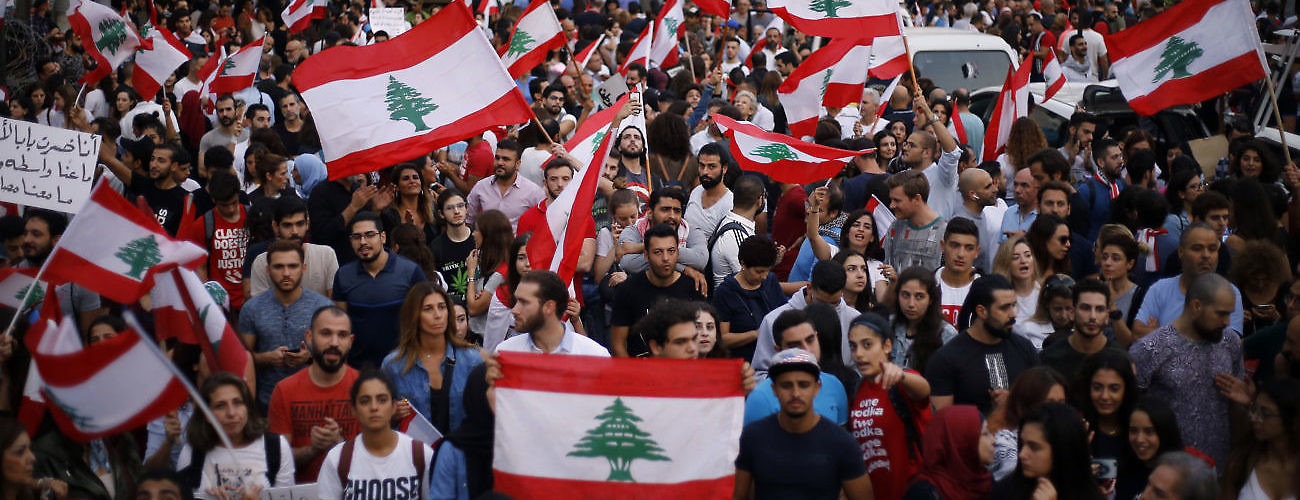
International lenders hold promise of debt relief, if only Lebanon will help itself—and reform.

Western nations hold promise of investment, if only Lebanon will help itself—and reform.

A Sunni political power hints Lebanon could help itself—if he returns.

A Shiite political power hints Lebanon could help itself—if it turns East.

The US ambassador says Lebanon is all but unable to help itself—obstructed by a terrorist group.

The power she accuses of terrorism agrees—but obstructed by America.

An Arab nation offers to help with fuel—no agreement has yet been signed.

A Persian nation offers to help with fuel—no agreement has yet been signed.

God, there is little agreement on anything.

It is not wrong. Different citizens hold different visions. But in crisis, it is not helpful.

It is not best.

Where each vision is winsome, God, let consensus come between them.

Facilitate repayment of debt. Hold the currency steady. Let the economy thrive.

Reform what is necessary. Promote the right leadership.

Give Lebanon many friends. Free it from its many chains.

Unify the people on what this all entails. Let every solution come from within.

Lebanon has many hills—places of refuge, places of prayer. God, let the nation look to you.

Amen.


Lebanon Prayer places before God the major events of the previous week, asking his favor for the nation living through them.

It seeks for values common to all, however differently some might apply them. It honors all who strive on her behalf, however suspect some may find them.

It offers no solutions, but desires peace, justice, and reconciliation. It favors no party, but seeks transparency, consensus, and national sovereignty.

How God sorts these out is his business. Consider joining in prayer that God will bless the people and establish his principles, from which all our approximations derive.
Categories
Current Events

The Middle East Needs America to Reconcile

Lebanese Voices:

This post was submitted by Rev. Joseph Kassab, president of the Supreme Council of the Evangelical Community in Syria and Lebanon

Current demonstrations in the United States have exposed a rift in society, very similar to the gaps found in the Middle East. In both regions, governments have failed to guide their pluralistic societies toward harmony, peace, and reconciliation.

In the United States, these rifts take on the forms of black and white, rich and poor, and between non-integrated ethnicities. Economic prosperity and the high standard of living has papered over them for a long time, but only postponed the explosion.

As for the Middle East, underdevelopment and a deteriorating economy intensifies the contradictions, making them more violent. Our weak governments do not have the capacity as modern states to regulate conflict. In addition to rich and poor, our rifts occur as Shiite and Sunni, Christian and Muslim, along with various ethnicities that feel robbed of their homelands, with less sense of belonging to their country of residence.

At the grassroots level, the situations are substantially similar. But surprisingly, the similarity is beginning to extend to the level of leadership.

Three weeks ago, President Trump visited a church and lifted the Bible in an iconic photo op. Whether it was to appease his evangelical supporters or contain ongoing demonstrations and violence, he also hinted at involving the army in the restoration of calm.

Middle Eastern leaders often act similarly in their times of crisis.

When Saddam Hussein’s regime was threatened, he added the Islamic phrase “God is Great” to the national flag. He employed the army and chemical weapons against the Kurds, when they attempted to revolt against him. Religion and violence are the magic used to contain the anger.

Since government is responsible to guard national security, I believe it has the right to use the army if vitally necessary. But conversely, the United States should have the integrity to understand and permit this right when protests erupt and threaten the stability of other nations.

But it cannot be acceptable in any pluralistic country, and especially for the United States, to use religion as a weapon to solve its problems. It is the tool of ISIS, in their pursuit of “Islamic peace.”

The world recognizes America as a superpower, looking for it to lead the world by example. Many Americans are angry, whether demonstrating in the streets, or frustrated in their homes. Lifting the Bible is not the solution—living the Bible is.

These protests have much to teach us in the Middle East, where many governments rule by majority mindset. It can be difficult for God’s vision of justice and equality to result in full benefits of citizenship for underprivileged minorities. 

But when we witness massive crowds of white citizens protesting for the rights of blacks, it inspires us to believe that the American dream is still alive. The whole world is watching, some wishing the nation to fail. Others, like us, will find hope the US transcends its differences, and reconciles.

For our sake, then, America must be as great a democracy in times of trouble, as it is in times of peace. The Middle East also needs to breathe.

Categories
Christianity Today Middle East Published Articles

Trapped in Lebanon, Sudanese Students Find Refuge at Seminary

Image courtesy ABTS

While Liberty University came under criticism for allowing students the option to stay on campus during the coronavirus outbreak, many other schools were also faced with a dilemma concerning the 1.1 million students who came from abroad.

According to a Quartz survey of 36 universities who host a third of the United States’ international students, 26 told those students to leave campus.

Penn State gave three days notice. Harvard gave five. Duke, among others, offered emergency financial aid to help international students return home. Princeton allowed their residency to continue—until the end of the semester.

But Sudanese students at Lebanon’s Arab Baptist Theological Seminary (ABTS) did not have a choice—even with tickets in hand.

Lebanon was one of the first nations to implement COVID-19 restrictions. Its first case was recorded on February 21, and by March 9 schools were shut down.

Four days later, at a regularly scheduled seminary picnic, Bassem Melki prepared to break the news.

“It was a joyous atmosphere,” said the ABTS dean of students, “but I had sadness in my heart because I knew what I had to say.”

Founded in 1960 and located in the mountains overlooking Beirut, the seminary…

This article was first published at Christianity Today, on June 10, 2020. Please click here to read the full text.

Categories
IDEAS Middle East Published Articles

When You Can’t Return Home

Can't Go Home

We had just prepared our letter to loved ones in America.

Corona is spreading everywhere, I wrote, but we are on lockdown, and perhaps safer here than we would be in the States. We have money, food, and good relations with neighbors. We plan to stick it out here.

And then the announcement was issued by the government: The airport and all borders are closing in 48 hours.

Suddenly, my stomach dropped. All my earlier confidence felt like bravado. Unspoken, there was always the assumption that if things get bad here, we can leave. Now, it would be impossible. And given the unprecedented nature of this virus in our modern world, who knows when the opportunity to travel would come again.

The nation we live in is not known for its stability. What if it gets really bad?

After dropping, my stomach turned. Should we quickly uproot and return to America? I hadn’t yet sent that letter.

The complications to normal life would be terrible. The airports would be crowded Corona-factories. And who would receive us back home save for parents who must be extra careful against the virus?

I didn’t want to leave. But what does wisdom suggest when faced with a last chance? The reasons against leaving are clear, but they were not what I needed.

My earlier bravado disappeared.

I longed for a deeper confidence.

Stepping away from our own story, here are four reminders that helped buttress my spirit. Perhaps they will also be an encouragement to others.

  1. You have a job. Some foreigners are tourists, and others were sent overseas by their employer. But for many, the choice to live in a foreign nation was deliberate. We earn our salary, we enjoy cross-cultural experiences, but we also believe that our work is helpful.

Remember that. Corona will change the nature of your job, but not its essence. Keep at it, for the good of your adopted country.

  1. You have allies. If the section above applies, we are likely not squirreled away in an expat compound in isolation from national neighbors. We have probably learned at least a little bit of language. In all likelihood, we have friends.

Remember that. Corona is devastating them also, but they know how to live here. Rely on them, encourage them, and fit into their cooperative networks.

  1. You have providence. With proper humility, you can likely look back upon your journey to your country as a series of circumstances that somehow all fell into place. We studied, we planned, we decided, but we may have also prayed.

Remember that. Corona is upsetting many circumstances, but nothing eternally known. God “determined the times set for humankind and the exact places where they should live.” Rest in this truth.

  1. You have a mission. Our jobs are not our life. What we do is helpful, but who we are is unique and transformative. As we learn from others, they do from us. If offered humbly, we have much to contribute.

Remember that. Corona changes nothing of your essence. “As the Father sent me [Jesus], so send I you.” Find the good you can do, and do it.

Finally, my stomach settled. But to keep our confidence from becoming a spiritual bravado, two final reminders are necessary.

One, we remain foreigners. We retain privileges. We are guests.

Two, we are all foreigners. We receive grace. We are ambassadors.

Corona reminds us all of the transience of life and the fragility of the world. Our norms have been shaken, our illusions shattered.

But we remain human, and beloved of God. Abroad or at home, we will all return to him. Our deeper confidence can only be this: “Well done, my good and faithful servant.”

Categories
Christianity Today Middle East Published Articles

Soleimani’s Death Doesn’t End Iran’s Influence on Middle East Christians

Soleimani Funeral
(via Fars News Agency)

This article was first published at Christianity Today, on January 28, 2020.

Middle East Christians might shrug their shoulders. They might even fret and worry. But perhaps Qassem Soleimani got what he deserved.

“We regret what happened. We do not want anyone to die, because Christianity wants the good of all,” said Ashty Bahro, former head of the Kurdistan Evangelical Alliance.

“But a person leads himself to his own destiny.”

Soleimani, head of Iran’s special operations Quds Force, was killed by a US rocket strike on January 3. It was a rapid escalation following the Iran-linked death of an American contractor, a retaliatory attack on the responsible Iraqi militia, and the storming of the US embassy in Baghdad.

According to the US State Department, Soleimani, who reported directly to Iranian Supreme Leader Ayatollah Khamenei, was responsible for 17 percent of American deaths in Iraq from 2003 to 2011.

He also enraged Sunni Muslims by engineering the subsequent Iranian defense of Syria’s regime, led by President Bashar al-Assad. With Russia and the Iran-backed military wing of Lebanon’s Hezbollah, the shelling of rebel-held cities resulted in the displacement of thousands during Syria’s civil war.

But Soleimani was also acclaimed for his role in fighting ISIS, personally directing Iraqi militias from the front lines.

Thus, Middle East Christians have mixed feelings about his death—and the immediate aftermath.

Some Syrian believers see no benefit to anyone.

“Iran was working with the US government in certain agreements. Why did you destroy them?” asked Maan Bitar, pastor of the Presbyterian churches in Mhardeh and Hama, noting both the fight against ISIS and the nuclear deal.

“This will prompt a severe reaction that will hurt…”

Please click here to read the full article at Christianity Today.

Categories
Christianity Today Middle East Published Articles

Should Lebanon’s Christians Join Protests? Viral Sermons Argue Yes and No.

This article was first published at Christianity Today on November 27.

Lebanon Protests
Anti-government protesters chant slogans against the Lebanese government as they hold Lebanese flags during a protest in Beirut, on October 26. (AP Photo/Bilal Hussein)

Does a revolution need a leader?

As the rocks rained down near the tent of Ras Beirut Baptist Church’s effort to discuss the question, suddenly the faith of the Christians gathered there was put to the test.

For the past month, Lebanese evangelicals have debated Scripture, sharing sermons online. One viral effort urges believers to stay away from widespread demonstrations in submission to authority. Another licenses participation in the popular push for justice.

Trying to find a third way, RBBC has visited the protest site weekly at Beirut’s Martyrs Square to discuss issues related to the revolutionary movement.

“We are not supporting a political agenda, but listening to people about why they are coming down to the streets,” Joe Costa, RBBC youth leader, told CT. “You cannot evangelize people if they are hungry or hurt. You have to be with them where they are.”

And this time, the church’s tent was at the front line as dozens of Hezbollah flag-waving partisans approached on their motorcycles.

Since October 17, citizens of Lebanon and its multi-confessional democracy have shed their religious identities in largely peaceful demonstrations against their political leaders. Some politicians have responded by justifying the violence of their followers, without authorizing it. Other politicians have expressed sympathy, asking for trust to make things better.

But long seen as the untouchable defenders of their communities’ interests, over the decades many political leaders have become wealthy.

“Corruption is like decay in our bones,” Hikmat Kashouh, pastor of Resurrection Church of Beirut (RCB), told CT. “No single person doubts it, including those in authority today.”

The current protest movement is leaderless and has no formal demands, but in general seeks…

Please click here to read the full article at Christianity Today.

Categories
Christianity Today Middle East Published Articles

Split the Cedars of Lebanon: Evangelicals Balance Prayer, Protest, and Politics in Ongoing Uprising

Lebanon protests
(via Shahen Books)

This article was first published at Christianity Today, on November 8.

At first, it was two high school girls.

The education minister in Lebanon had just canceled classes nationwide due to an explosion of popular anger at proposed taxes. Public squares in Beirut and other cities swelled with demonstrations. The two students asked Steve White, principal of the Lebanese Evangelical School (LES), if he would join them and protest too.

White, a Lebanese citizen since 2013, became principal in 2000, succeeding his English father who’d held the post since 1968. Founded by a British missionary in 1860, LES preaches the gospel clearly and is one of the top schools in Lebanon. But it bucks the sectarian trend of community enclaves as 85 percent of its students are Muslim—most coming from the Shiite community. Discussion about religion and politics is forbidden.

The protests began October 17. At the height of student interest, White arranged four school buses for a unique civic education. Though he knows his students well, he couldn’t tell their breakdown by sect: Sunni, Shia, or Christian.

Which fit perfectly with the protests.

“I got excited because it was not religious,” said White. “It was nonsectarian: all of Lebanon together, no flags, no parties, they were cursing everybody.”

White did not approve of the cursing. But he did of the “everybody.” The slogan adopted by protesters: “All of them means all of them.” It targeted the leaders of Lebanon’s multiple religion-based political parties, accusing them all of corruption.

Transparency International ranked Lebanon No. 138 out of 180 in its 2018 corruption perception index, listed from clean to corrupt.

Traditionally viewed as the guardians of each sect’s interests, Lebanese political parties would regularly voice vague charges of corruption against unnamed colleagues. But unlike previous protest movements, which carried the banners of each party, this one hoisted only the Lebanese national flag with its distinguishing cedar tree.

Accordingly, White forbade students from bringing the flag of LES.

Whether inspired, sympathetic, or threatened, political leaders had little choice but to express solidarity.

According to the World Bank, one-quarter of Lebanon’s population lives in poverty. Citizens pay exorbitant fees for privately generated electricity, as the tiny Arab nation of 6 million on the shores of the Mediterranean Sea has the fourth-worst public provision in the world. Smaller than Connecticut, public debt is 150 percent of GDP. Prior to the protests, strikes threatened to cripple bread and gasoline services, as the US dollars needed to import materials dried up from the market.

People started to fear economic collapse.

In order to unlock millions of dollars of promised international investments, the government announced new taxes—including upon WhatsApp, a popular free messaging service— to lower the deficit. An austerity budget loomed, with some effort at reforms it was long unwilling to tackle. Sectarian political squabbling had prevented an agreed-upon national budget for the prior 12 years.

The subsequent protests caught the government off guard. Promising a solution in three days, officials hastily agreed to cancel tax increases, fix the electricity sector, slash their own salaries, pass laws to fight corruption, and impose a one-time tax on lucrative banks in order to balance the budget.

It wasn’t enough.

“We’ve had the same names and parties for 30 years. Why should we give them another chance?” said Nadim Costa, head of the Near East Organization, an evangelical ministry serving the poor, marginalized, and displaced across the Arab world.

“There is a spiritual dimension to what is going on…”

Please click here to read the full article at Christianity Today.

Categories
Christianity Today Middle East Published Articles

The Game of Thrones Christians Should be Watching

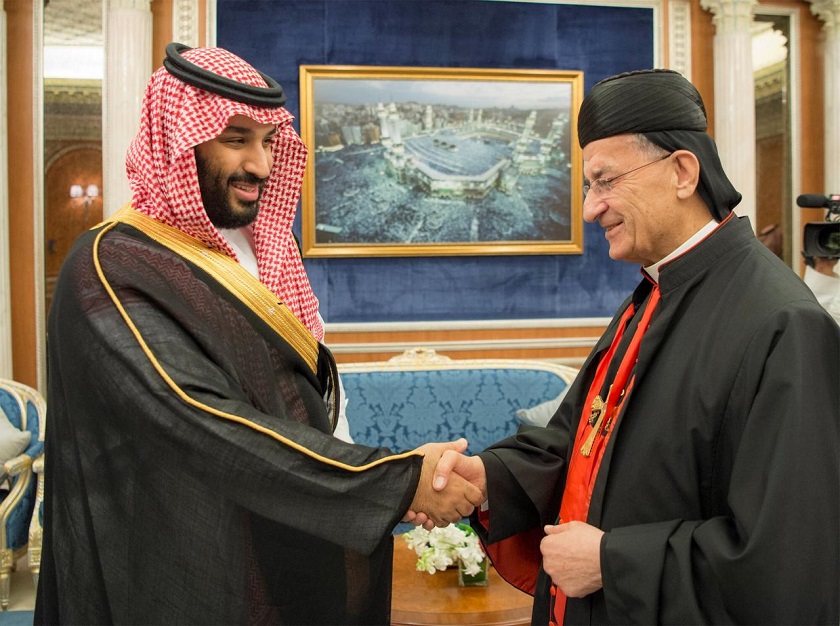
Saudi Crown Prince Mohammed bin Salman shakes hands with Lebanese Maronite Patriarch Bechara Boutros Al-Rahi during their meeting in Riyadh
Saudi Crown Prince Mohammed bin Salman shakes hands with Lebanese Maronite Patriarch Bechara Boutros Al-Rahi during their meeting in Riyadh, November 14, 2017. Bandar Algaloud/Courtesy of Saudi Royal Court/Handout via REUTERS

This article was first published at Christianity Today on November 16, 2017.

Before the crown prince of Saudi Arabia stunned the world with his sudden arrest of dozens of fellow princes and millionaires on corruption charges, he stunned many Christians with his stated desire to moderate its version of Islam, commonly dubbed Wahhabism.

Saudi Arabia was founded in 1932 as an alliance between Bedouin warriors of the al-Saud tribe and strict Salafi Muslim scholars following Mohamed ibn Abd al-Wahhab. Discovering oil six years later, it also became one of the Muslim world’s wealthiest nations. The combination has led many religious freedom advocates to blame Saudi petrodollars for funding a worldwide rise in Islamist extremism.

But last month, Mohammad bin Salman said his conservative Muslim country would return to “what we were before: a country of moderate Islam that is open to all religions and to the world…”

Please click here to read the full article at Christianity Today.

Categories
Prayers

Friday Prayers for Egypt: Mashrou3

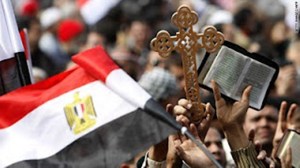
Flag Cross Quran

God,

Some people have a project. Others like to project.

And some just like to sing. Judge between them, God. Their intentions and their cause.

An upscale district in Cairo invited a popular Lebanese band to a concert festival. The lead singer is well known as a homosexual.

Some in the crowd raised a rainbow flag in solidarity. Shared on social media, the firestorm began.

Talking heads and politicians continued the hubbub. Seven concertgoers were arrested, with investigations into the organizers. The band may yet be banned.

God, all praise to you for the gift of music. May your creation craft creatively in honorable imitation.

But some creation, yours and ours, deviate from the norm. Give wisdom, God, in what to do.

You esteem freedom, God, but not license. You create diversity, but not deformity.

Guide your creation in knowing where to draw the line.

For those on the wrong side of society’s norm, may they find mercy within judgment.

For those on the right, may they respond with the right. At times, the law. At others, grace.

For those who wish to erase and adjust, may they know well your will. If in one direction, give them compassion. If in the other, courage.

For all, may they know your love for all creation. Your love embraces, but also transforms. Bring all to your desired end.

You have the best of all projects, God. Creatively change us. Bring us to sing.

Amen.

note: Mashrou3 is Arabic for “project” and is part of the name of the Lebanese band, Mashrou3 Laila.