
Help for Morocco is coming from Turkey. While humble in scope, the biggest impact may be on the church.
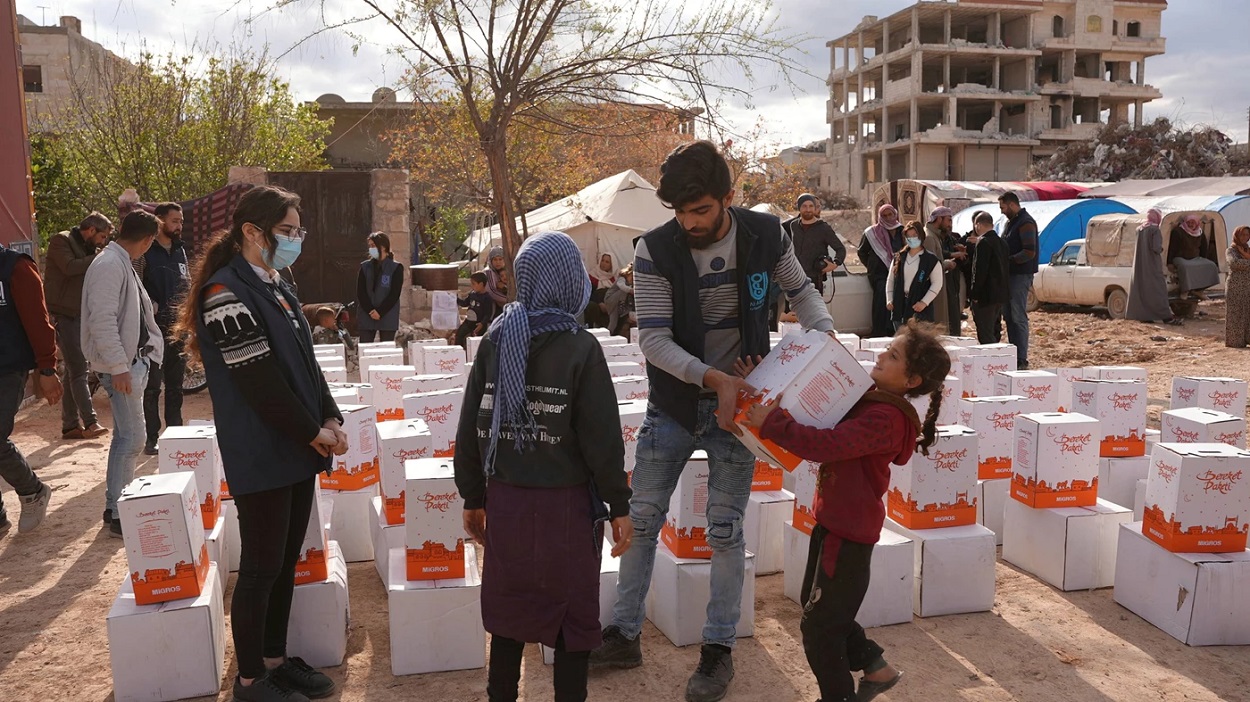
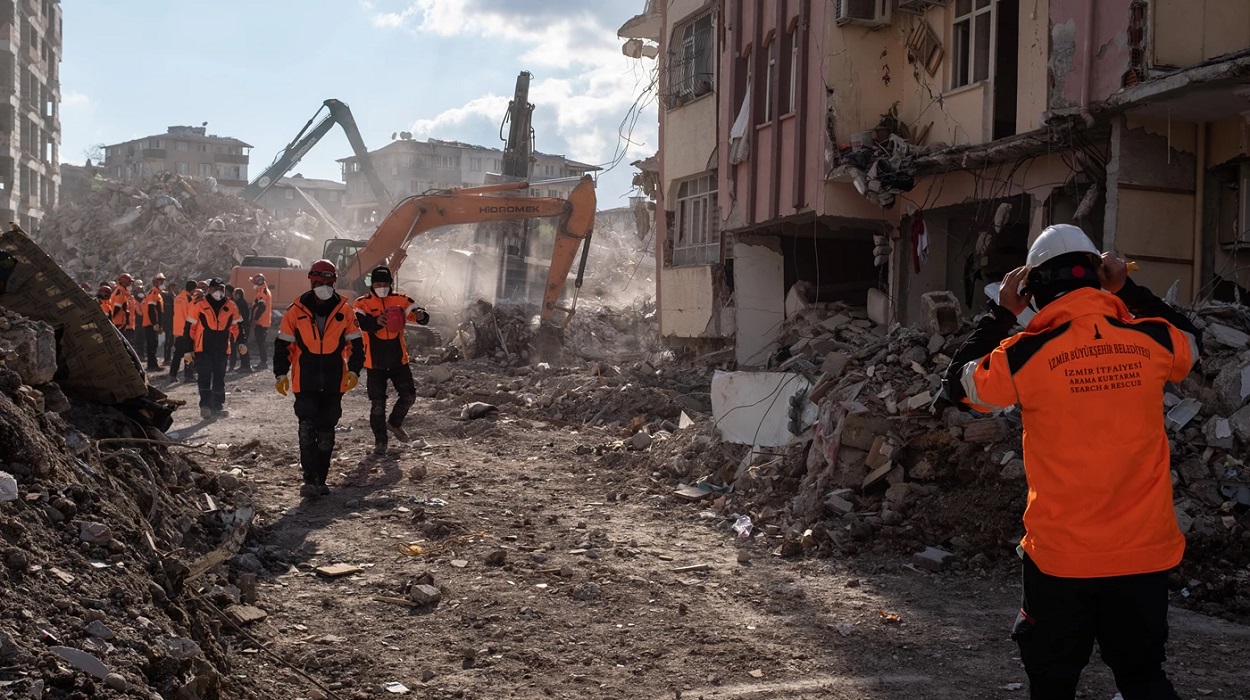
First Hope Association (FHA), a Turkish Christian disaster relief agency that provided aid after the massive earthquake that struck southeast Turkey in February, was granted permission to assist in Morocco after its own devastating quake. A four-person team arrived in Marrakesh last week.
Consistent with its Turkish policy, FHA serves all victims without discrimination, in cooperation with the local church. Connecting with a house church network in southern Morocco, the Turkish believers have distributed $30,000 worth of clothes, blankets, and hygiene kits in four mountain villages not yet reached by other aid.
“Our country has gone through the same hardships and difficulties, so we came to help and support,” said Demokan Kileci, FHA board chairman. “This is an amazing opportunity for God’s church here to show his compassion and love.”
In many ways, the parallels are striking.
Morocco and Turkey are both Muslim-majority nations, and they both have small Protestant communities that largely emerged from an Islamic background. The churches in both nations suffered in their respective earthquakes but also rallied support to aid in overall relief. And while enduring varying degrees of ostracism, the believers’ solidarity with fellow citizens has begun to win each a slowly increasing level of social respect.
“Their expression of love was immediate, without any thought of self,” said Tim Ligon, pastor of Marrakesh International Protestant Church, of the local believers he has partnered with in relief. “They counted no cost but responded with everything they had.”
But there is one major difference between the nations: Morocco does not recognize an indigenous Christian faith, while Turkey affords its people freedom of religion—including religious conversion.
Turkish Christians shared their story of faith to CT in hope that the small believing community in Morocco might profit from their experience. For there is another parallel between the nations that Turkish Protestants have taken significant steps to overcome: a history of internal division.
“The Bible tells us that spiritual power comes in unity,” said Ali Kalkandelen, president of Turkey’s Association of Protestant Churches (TeK). “It won’t be easy, but if Moroccan believers support one another and see the church as one body, the Lord will bless them, and fruit will come.”
Moroccan sources uniformly told CT about their love for Jesus and respect for King Mohammed VI, the Moroccan monarch and head of state. They also would like to see their faith recognized equally alongside Islam and Judaism.
But beyond these shared views, the sources had many different perspectives.
Some spoke of a government that discriminated against them and would not help displaced Christians. Others said the government was helping everyone and generally left the believers alone.
Some said their witness employs the Arabic word for “Lord” to hint at their distinction from Islam. Others said they say “Allah” to connect with normal Muslim use. Some distribute literature; others foreswear it as illegal. Some speak of their Christian faith to the media; others are suspicious of those who make it public.
Some said there was good cooperation between Moroccan churches and that donations should go to local believers working in the field. Others said there was distrust between the churches and that donations should be given through the national bank.
In some sense, each of these perspectives could be true. Experiences differ, as do theology and outlooks on mission. But there are Christians who exaggerate their earthquake and overall ministry for the sake of financial support, said some, while others said there were self-professed “Christians” who were not true believers at all. To any who would criticize, Jack Wald counseled…
This article was originally published at Christianity Today, on September 27, 2023. Please click here to read the full text.




 Jayson Casper